
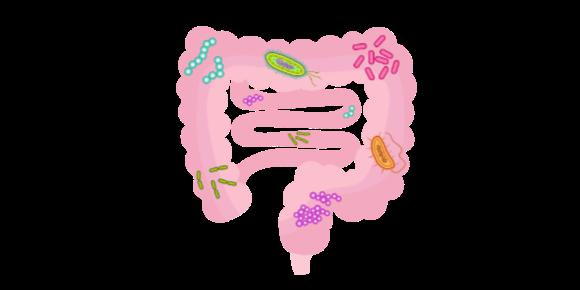
When parents think about gut health, they often think about digestion. But your child’s gut microbiome does far more than process food.
Emerging research shows that the gut microbiome in children plays a central role in immune function, brain development, mood regulation, metabolism, and even gene expression. Because of this powerful influence, scientists often call the gut the “second brain.”
Understanding pediatric gut health can help you support your child’s immunity, focus, emotional regulation, and long-term wellness.
What Is the Gut Microbiome?
The gut microbiome refers to the trillions of bacteria, viruses, fungi, and other microorganisms living in the digestive tract. In children, this ecosystem is still developing and is especially sensitive to environmental influences.
A healthy gut microbiome in kids is characterized by:
Strong microbial diversity
Balanced beneficial bacteria
A healthy gut lining
Low levels of chronic inflammation
The first few years of life are critical for establishing this balance.
Gut Health and the Immune System in Children
Did you know that 70–80% of the immune system resides in the gut?
The gut microbiome trains immune cells to:
Recognize harmful pathogens
Avoid overreacting to harmless substances
Regulate inflammation
Children with a diverse gut microbiome may experience:
Fewer recurrent infections
Lower allergy risk
Reduced eczema and asthma tendencies
Improved immune resilience
What Influences a Child’s Gut Microbiome?
Several early-life factors shape pediatric gut health:
Mode of delivery (vaginal birth vs. C-section)
Breastfeeding
Antibiotic exposure
Dietary diversity
Time spent outdoors
Exposure to pets and natural environments
Fiber-rich foods such as fruits, vegetables, legumes, and whole grains feed beneficial bacteria. These microbes produce short-chain fatty acids that strengthen the gut barrier and reduce inflammation.
A strong gut barrier supports immune balance and helps prevent chronic inflammatory patterns.
The Gut-Brain Connection in Kids
The gut-brain axis is the communication network linking the digestive system and the brain. This connection occurs through:
The vagus nerve
Hormones
Immune signals
Microbial metabolites
About 90% of serotonin, a key mood-regulating neurotransmitter, is produced in the gut.
Research suggests that gut health may influence:
Emotional regulation
Anxiety and stress response
Focus and attention
Behavioral patterns
Sleep quality
While gut health is not the only factor affecting mood or behavior, it is a foundational piece of neurological and developmental health.
Supporting the Gut-Brain Connection Naturally
Parents can support the gut-brain axis through:
Yogurt or kefir with live cultures
A variety of colorful fruits and vegetables
Omega-3 rich foods
Limiting highly processed foods
Consistent sleep routines
Stress reduction strategies
Nourishing the gut supports both physical and mental health in children.
Gut Microbiome and Gene Expression (Epigenetics)
One of the most exciting areas of microbiome research involves epigenetics, how genes are turned “on” or “off” without altering DNA.
Gut microbes influence genes involved in:
Metabolism
Inflammation
Brain development
Immune regulation
Lifestyle factors that affect epigenetics include:
Nutrition
Sleep
Stress levels
Environmental exposures
Early microbial colonization
Why Early Life Matters
The first 1,000 days (from conception through early childhood) are a critical window for microbiome development.
Research indicates:
A mother’s microbiome during pregnancy influences her baby’s gut bacteria.
Maternal diet and stress may impact immune programming.
Early antibiotic exposure can alter microbial diversity.
Supporting gut health early in life may help build a strong foundation for long-term pediatric wellness.
How to Improve Your Child’s Gut Health
Supporting your child’s microbiome doesn’t require perfection — just consistent, diverse habits.
1. Prioritize Food Diversity
Offer a rainbow of fruits and vegetables. Different plant fibers feed different beneficial bacteria.
2. Encourage Outdoor Play
Exposure to safe environmental microbes supports immune development and microbial diversity.
3. Use Antibiotics Thoughtfully
Antibiotics are sometimes necessary and lifesaving. However, minimizing unnecessary use can protect microbiome balance.
4. Support Healthy Sleep
Sleep disruptions can affect microbial balance and inflammation.
5. Eat Together as a Family
Family meals are linked to improved nutrition quality and healthier gut microbiomes in children.
Pediatric Gut Microbiome Testing
For families who want a deeper understanding of their child’s gut health, we offer comprehensive gut microbiome testing and interpretation.
This service is available to both member and non-member patients.
Our process includes:
- Initial consultation and health history review
- Stool microbiome testing
- Follow-up visits for personalized interpretation
- Customized nutrition, lifestyle, and supplement recommendations when appropriate
From an integrative pediatric perspective, we evaluate how gut health connects to:
Immunity
Behavior and mood
Development
Digestive concerns
Inflammatory patterns
Our goal is not just symptom relief but supporting whole-child wellness.
Why Child Gut Health Matters
Your child’s gut microbiome influences far more than digestion. It plays a central role in:
Immune resilience
Brain development
Emotional regulation
Inflammation control
Long-term health outcomes
By supporting gut health early in life, parents can help build a strong foundation for lifelong wellness.
If you are interested in learning more about your child’s gut microbiome or scheduling a consultation, contact our office to explore next steps.