
Please note that some of the links in this post are affiliate links, which means I may earn a small commission at no additional cost to you. As a pediatrician, I only recommend trusted products that I have used or would use in my practice. My recommendations are always based on professional experience and judgment, not compensation.
Practical skincare tips from Dr. Han
November is National Healthy Skin Month, but great skincare habits matter year-round! At Grace Pediatrics, we believe that understanding your skin at each stage of life helps prevent irritation, eczema, acne, and even sun damage later on.
Below, Dr. Han shares simple, research-based recommendations for healthy skin for all ages, from newborns to adults.
 Newborns & Infants
Newborns and infants have sensitive skin that requires special care.
Bathing:
For newborns, give sponge baths every 1–3 days until the umbilical cord has fallen off and heals completely.
*** Avoid full immersion baths until your pediatrician says it’s safe.
Bathe and wash hair with a fragrance-free gentle cleanser every 1 - 3 days depending on the season, temperature, and environment. Older infants (3 - 4 months) are recommended to bathe every day.
Use a fragrance-free, gentle cleanser and pat dry carefully, paying attention to folds under arms, neck, and knees.
Moisturizing:
Apply moisturizer from day one (the earlier the better) to strengthen the skin barrier. This may help prevent atopic dermatitis (eczema) or food sensitivities/allergies later on.
Choose gentle baby lotions, moisturizers, or creams, avoiding anything with fragrance, essential oils, botanical extracts, or alcohol. I know that there are a lot of moisturizers with scents that make our baby smell good and are attractive to adults, but they can be harsh and irritating on infant skin.
**Here are some fragrance-free moisturizers that I recommend and personally use for myself and my family.
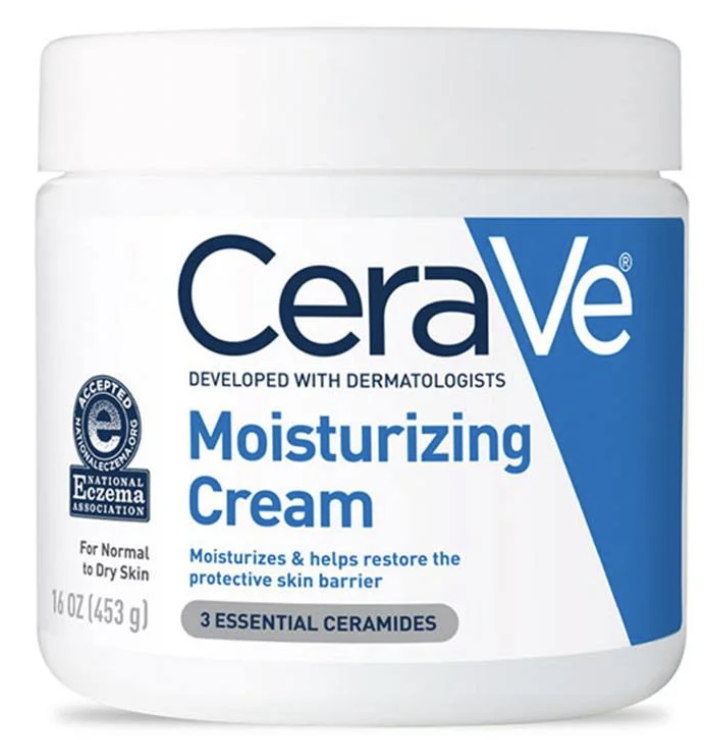 | 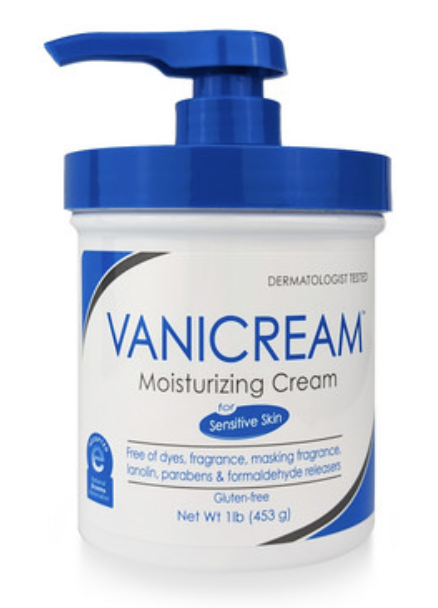 |
| CeraVe Moisturizing Cream | Vanicream Moisturizing Cream |
Laundry & Sun Safety:
Use mild, fragrance-free detergents and avoid dryer sheets as harsh chemicals and fragrances found in lots of detergents or dryer sheets can irritate delicate skin.
Babies are very prone to get sunburns. Use shades even if you use sunscreen. Protect from direct sunlight with hats, shade, and SPF clothing.
Sunscreen is generally recommended to be used after 6 months of age.
**I recommend mineral sunscreens for babies like the one below.
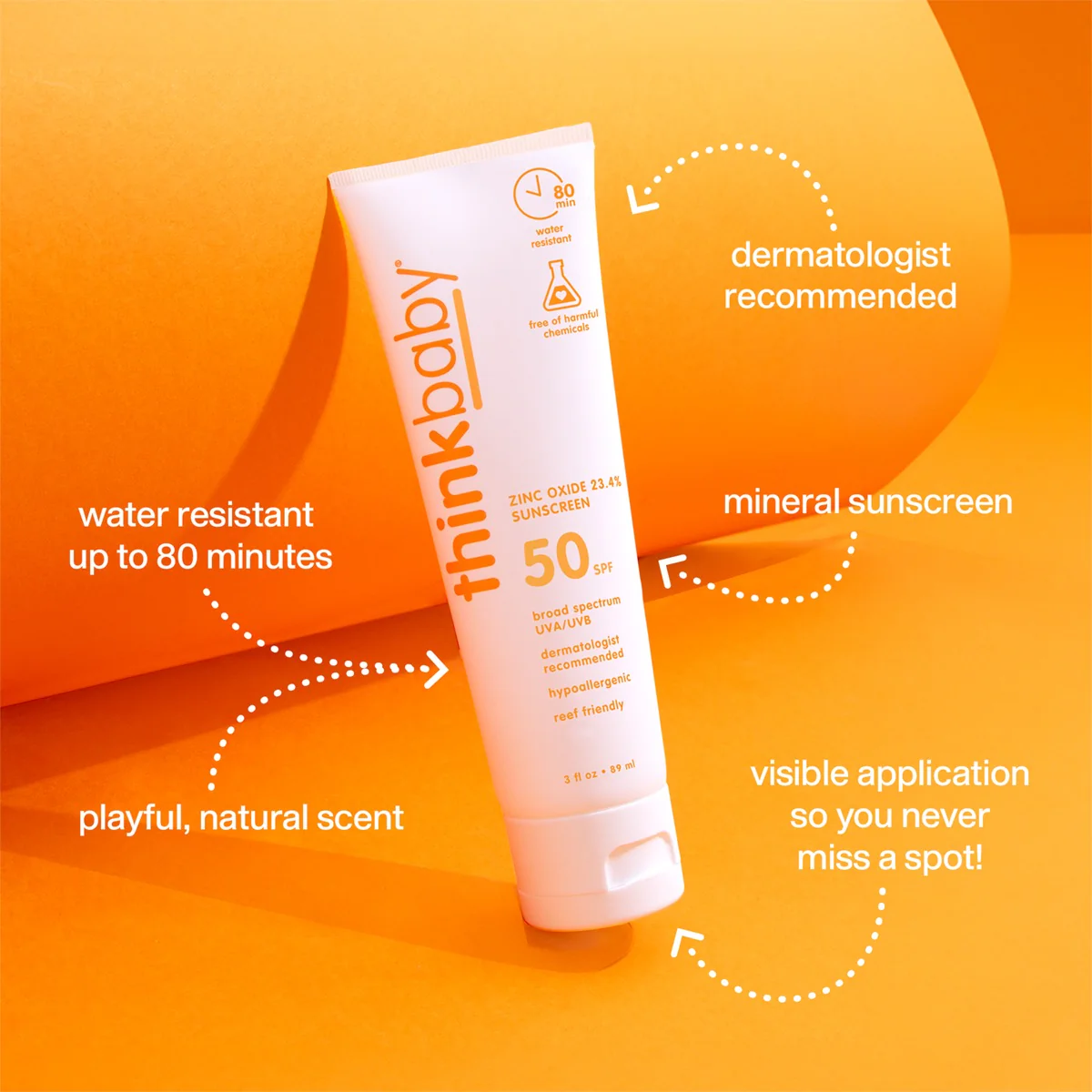 |
Toddlers, Preschoolers, & School-Age Kids

As kids get older, they become more active, spending more time outside, and exploring their curiosities. They run, jump, and crawl everywhere! Regular skincare becomes important to keep their skin healthy.
- Bathing or showering daily with lukewarm water and a gentle cleanser can keep dirt and oily substances from accumulating on their skin.
**If your child is having issues with skin sensitivities or eczema, a quick shower with lukewarm water is better than baths.
- Use fragrance-free moisturizers after bathing.
- Avoid bubble baths, which can dry and irritate skin. While bubble baths might look and sound fun, they can easily irritate skin, cause skin troubles, or cause vaginitis for little girls.
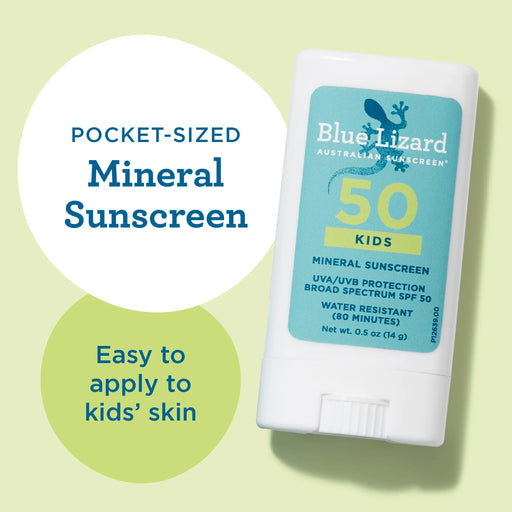
- Apply sunscreen before any outdoor play longer than 30 minutes.
**I recommend mineral sunscreens for toddlers and kids like the two below that I recommend for many of my patients.
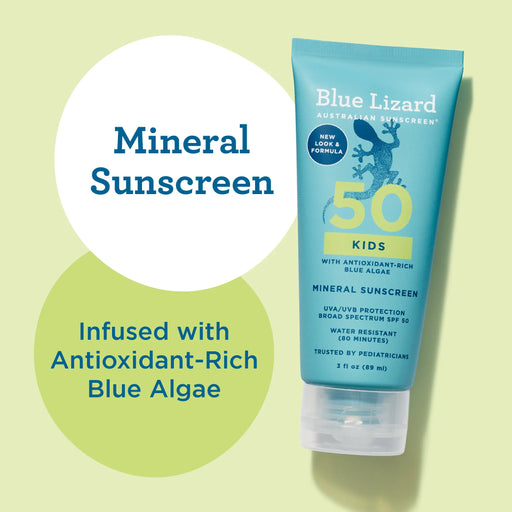 |  |
 Teens & Young Adults
Hormonal changes increase oil production, which can lead to acne.
Skincare Tips:
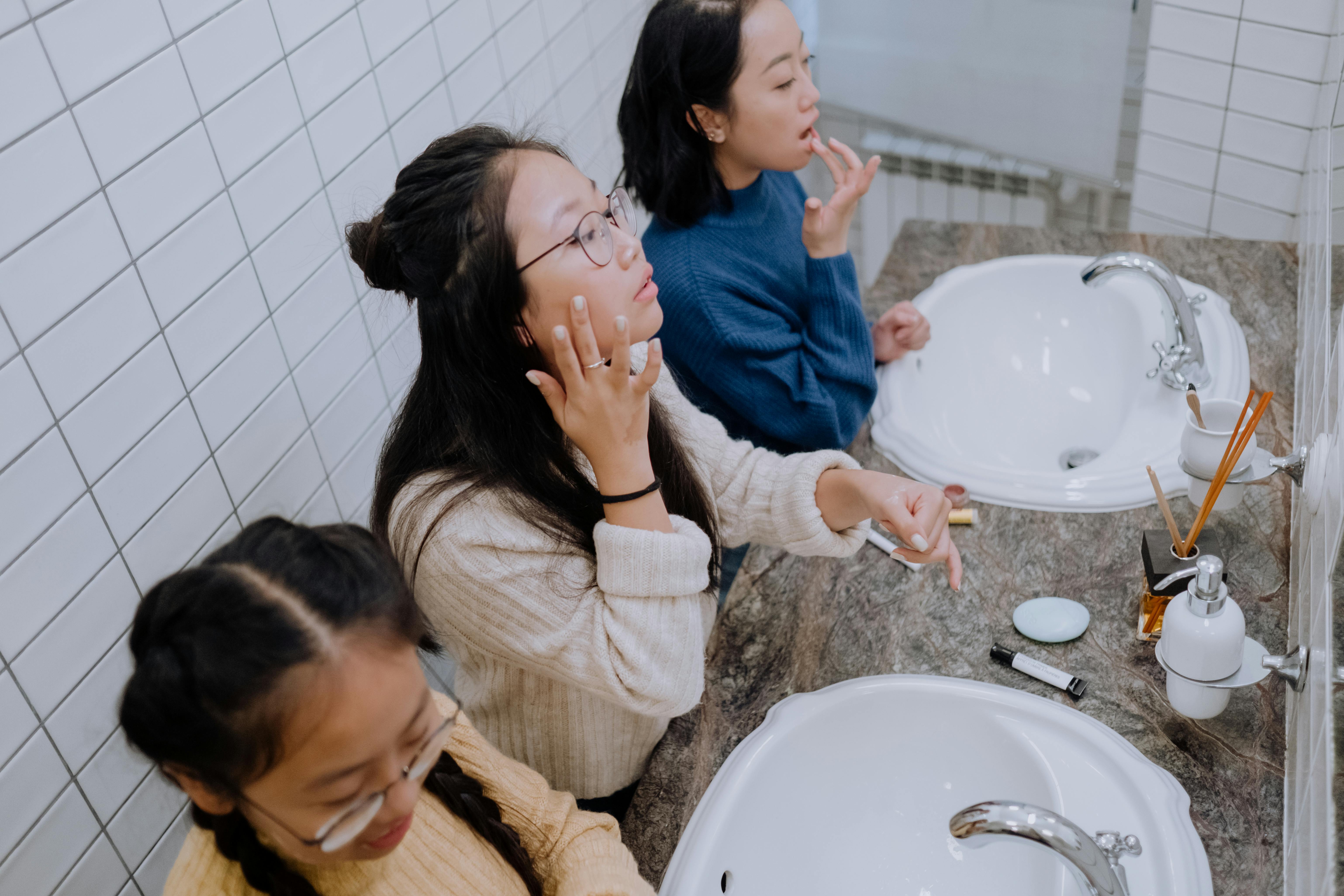
Wash your face twice daily with a gentle cleanser.
Avoid harsh scrubbing or overuse of acne products (consult your pediatrician before using treatments like salicylic acid, benzoyl peroxide, or tretinoin). These medications can irritate and damage your still-developing skin.
Teens and young adults might want to use skincare products that their friends or social media influencers use, but everyone's skin type is different. One product that might work well for someone else might not work well for you!
Make sure to apply sunscreen daily, especially if you are planning on activities with prolonged sun exposure.
Remove makeup nightly or as soon as you come home as prolonged make-up on skin can clog pores and cause rashes or pimples.
Wash pillowcases and bed sheets once a week. They harbor many different types of bacteria if they aren't washed regularly and can lead to skin troubles on the face and body.
Shower once a day! Sometimes it's hard to create this habit, but good skincare for the whole body is a good way to avoid body acne.
Acne Awareness:
Acne is very common and much of it is hereditary. This means that if either mom or dad had acne, your teen will likely have acne too.
Many people think that acne and its effects are temporary, but that isn't always true. It can last for many years and your teen can suffer from scarring, hyperpigmentation, social withdrawal, anxiety, or depression. Early treatment prevents things from getting worse, can make controlling acne better, and supports confidence.
Don’t wait for acne to “go away.” Prompt care leads to better outcomes.
Acne can be treated through medications or through innovative laser treatments. If you're hesitant about Accutane and it's systemic side effects, Grace Pediatrics offers AviClear, an acne laser treatment. To learn more about AviClear click here for more information on our website, or call our office to book a complimentary skin consultation with Dr.Han about best treatment options.
If your teen or young adult already has scarring from past acne, there are many options to improve the appearance of scars. At Grace Pediatrics, we also offer non-surgical scar treatments. Learn more about it on our website here or call our office to find out more about our skin treatment options.
Adults
Good skincare habits continue for life!
Daily Basics:
Wear sunscreen every day, regardless of weather.
Use gentle cleansers and daily moisturizers.
**Here are some cleanser and moisturizers that I recommend.
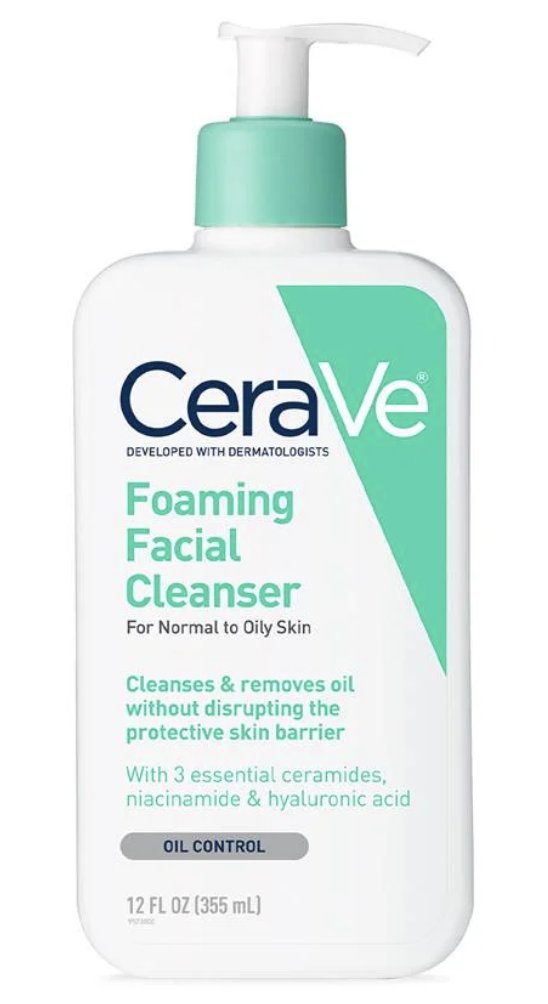 | 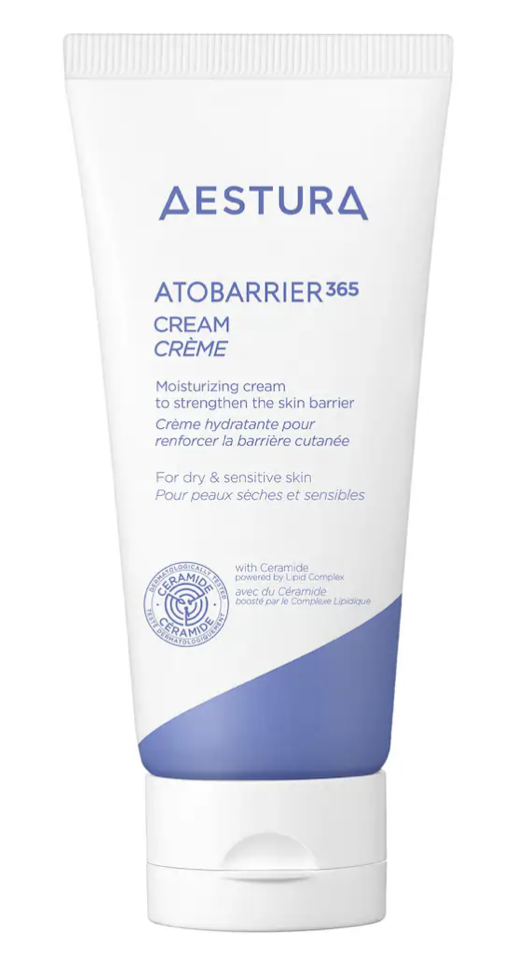 | 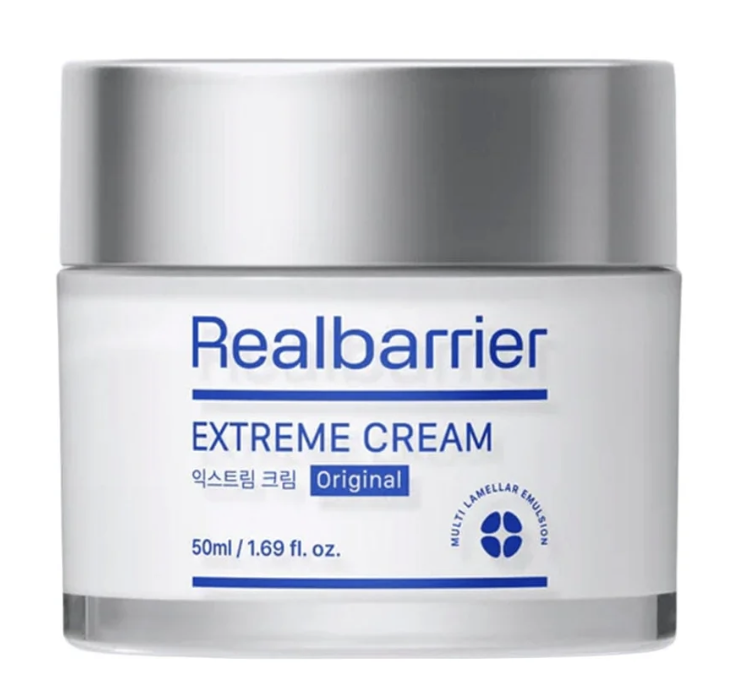 |
| CeraVe Foaming Facial Cleanser | Aestura Atobarrier365 Cream Moisturizer | Realbarrier Extreme Cream |
Change out pillowcases and bed sheets weekly.
Try to take daily showers.
If you wear make-up, thoroughly remove all make-up after each day.
Skin Cancer Awareness
Check moles regularly for the ABCs: Asymmetry, Border, and Color.
If a mole changes, grows, or looks irregular, see your primary care provider or dermatologist.
Advanced Skin Rejuvenation Options
Grace Pediatrics offers non-invasive rejuvenation treatments to address:
Fine lines and wrinkles
Large pores
Skin laxity and collagen support
Sun damage and pigmentation
Medical-Grade Skincare:
We’re proud to offer Jan Marini Skin Research products, a leader in professional skincare solutions and 15th consecutive NewBeauty Award winner for its Skin Care management System in 2025. Their award-winning products can improve acne, rosacea, pigmentation, and skin tone.

Ask our team which products are best for your skin type or use this link to explore Jan Marini's extensive skincare line and get free shipping for one of the best medical grade skin care products.
The Gut–Skin Connection
Did you know your gut health impacts your skin health?
At Grace Pediatrics, we provide comprehensive gut microbiome testing to help Dr. Han create a personalized plan to optimize your immune and skin health from within. Totally personalized care, uniquely designed for YOU! Call our office to find out more!
Final Thoughts
Healthy skin starts early and lasts a lifetime.
Build simple habits for your overall health and best skin:
Cleanse gently
Moisturize daily
Protect from sun exposure
Stay hydrated and eat a variety of fruits and vegetables.
Limit ultra-processed foods to support healthy skin and overall wellness.
Have questions about your child’s skin or your own?
Call us or schedule an appointment. We’re here to help every member of your family feel confident in their skin!